Classroom
Open source education is an incredible avenue for sharing knowledge in a widely accessible manner. However, without a well-defined structure, it can sometimes feel fragmented and perplexing. To address this issue, I have developed a framework for DIY material education that provides a sense of organization and coherence. By following this structure, you can navigate the vast realm of open source education more effectively and gain a clearer understanding of various do-it-yourself materials.
A Brief Introduction to Bioplastics
Throughout this website, I frequently use the terms biomaterial and bioplastic interchangeably. That is because most of the recipes you'll find on Compound involve bioplastics with a variety of bio-based fillers. For instance, we might create a gelatin-based bioplastic and include coffee grounds to enhance its texture and structure. However, there are instances when I use the term biomaterial instead, particularly if the final product deviates from what we typically associate with a traditional "plastic" material. For example, we might explore the use of oyster shell "marble" or resin-like pine rosin. It's worth noting that biomaterial is a broad term that encompasses a vast array of bio-based materials. To assist in understanding the terminology used in the field of biodesign, I've included a helpful diagram adapted from the Biofabricate report Understanding ‘Bio' Material Innovations. This diagram will provide clarity and insight into the terminology associated with this fascinating domain.
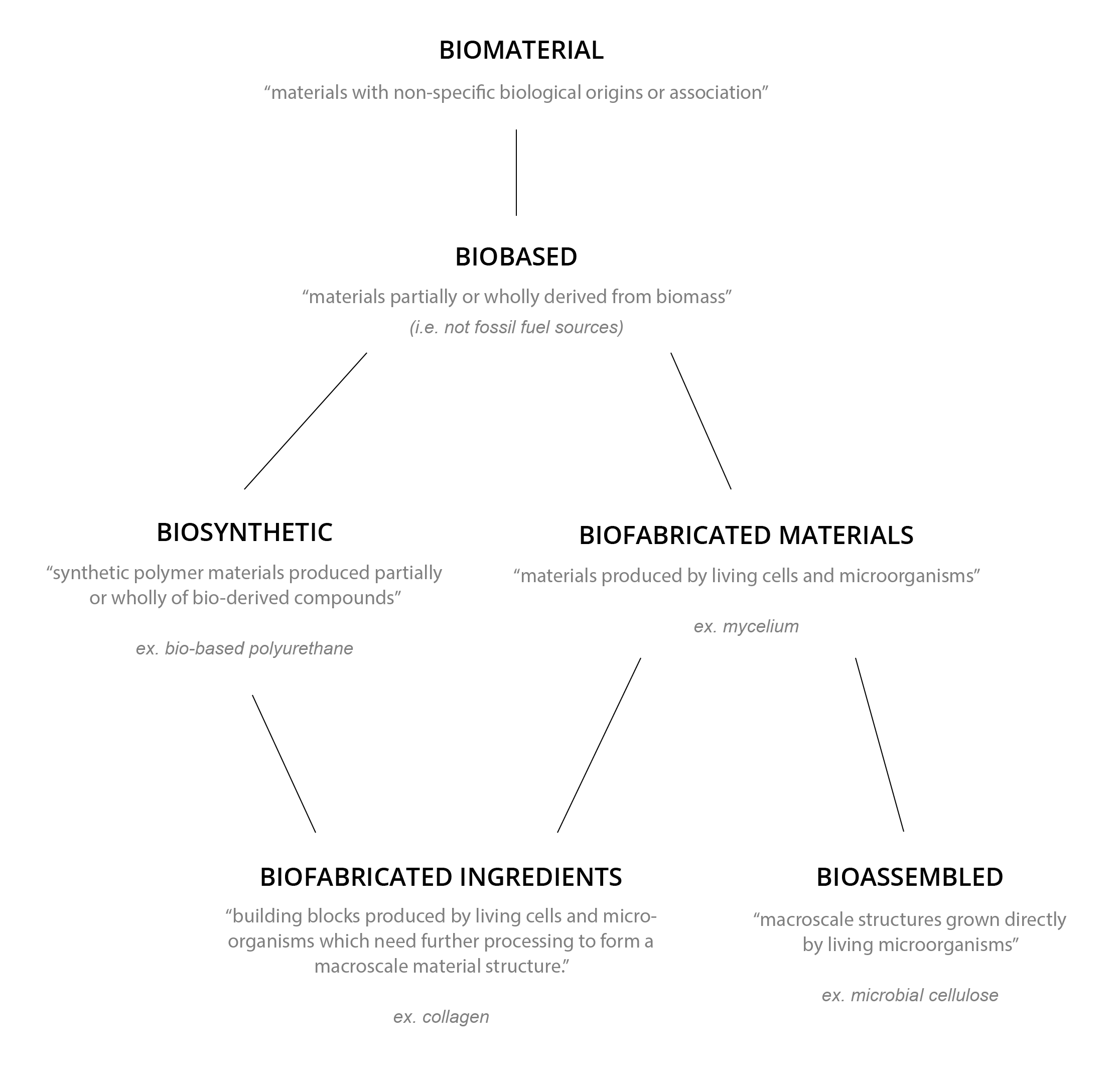
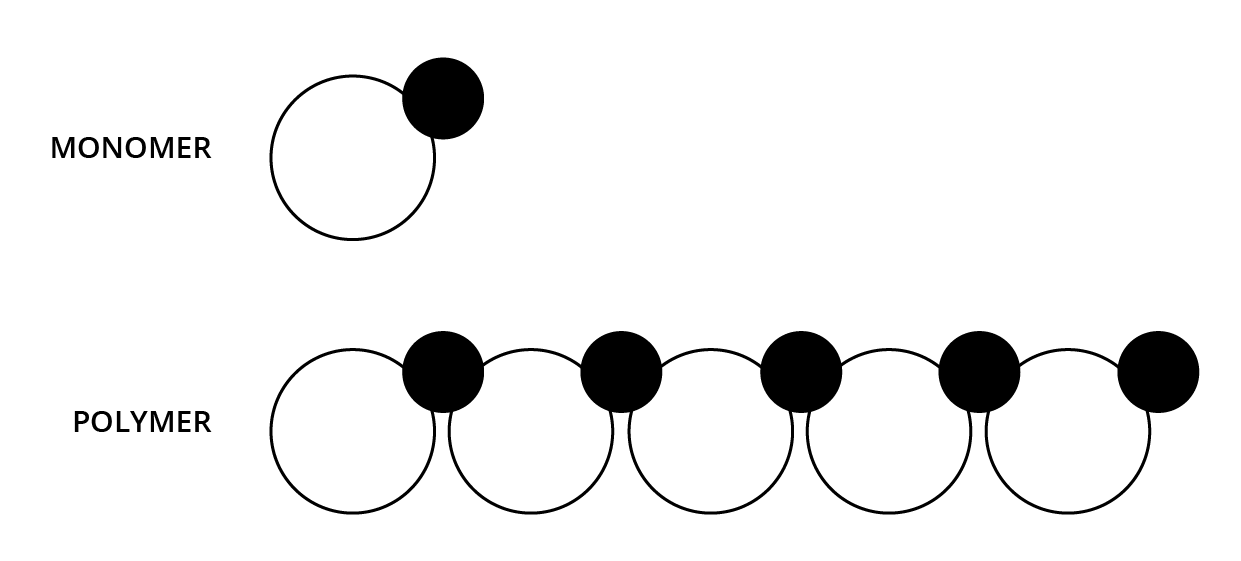
Let's delve deeper into the relationship between bioassembled and biofabricated materials. It's important to note that while all bioassembled materials are inherently biofabricated, the reverse isn't always true. Some biofabricated materials are created using biofabricated ingredients. If you refer back to the diagram, you'll notice that it doesn't explicitly mention bioplastics. This brings us to the question: What exactly is a bioplastic?Bioplastics are polymers that possess similar physical properties to plastics derived from fossil fuels. However, what sets them apart is that they are derived from renewable biomass sources and rely on biopolymers instead of petropolymers. In fact, the term "plastic" is simply a broad definition for any compound produced through polymerization. However, due to the widespread use of fossil fuels, the term "plastic" has become synonymous with petroleum-based polymers. As a result, biopolymers have been modified and referred to as bioplastics to emphasize their renewable and sustainable nature.
A Note on Polymerization
Take a look at the utility pages included in the Diet X Template.
Hopefully this gives you a fairly good start for understanding bioplastics and where they fit within the biomaterial landscape. For instance, with this new language we can say that our Biolaminate recipe is a protein-based bioplastic which relies on the biopolymer gelatin. We know that it is thermoplastic, meaning it could be remelted and reformed if necessary. The base recipe is readily biodegradable and home compostable, although not vegan since the gelatin used is sourced from fish.
'Bioplastic' vs. 'Biopolymer'
Take a look at the utility pages included in the Diet X Template.
Although bioplastics and biopolymers may appear similar, it's crucial to understand that they are not interchangeable. Let's consider DNA as an example. DNA consists of pairs of biopolymers known as polynucleotides. However, we would never refer to DNA as a bioplastic. In general, biopolymers refer to the macromolecular structures that serve as the backbone of most bioplastics, while bioplastic specifically refers to the processed material itself. Bioplastics are made up of biopolymers, but they may also contain additives like dyes or fillers to enhance certain properties.Since the majority of the recipes featured on this website involve variations of bioplastics, it's helpful to understand the fundamentals of what constitutes a bioplastic. A typical recipe for creating a bioplastic involves combining one or more biopolymers, along with a plasticizer, and any desired additives.
Recipe for a Basic Bioplastic
Biopolymer(s) + Plasticizer(s) + Additive(s) = Bioplastic
Biopolymers:
- cellulose
- chitin
- starch
- gelatin
Plasticizers:
- glycerol
- sorbitol
- glucose
- corn syrup
Additives:
- coffee grounds
- egg shells
- orange peels
- banana peels
Obviously the choice of biopolymer(s) will dramatically affect the mechanical properties of your bioplastic. Below are the five main types of bioplastics, which are generally categorized based on the biopolymer type.
5 Main Categories of Bioplastic
Obviously the choice of biopolymer(s) will dramatically affect the mechanical properties of your bioplastic. Below are the five main types of bioplastics, which are generally sorted based on the biopolymer type.

Most popular form of bioplastics and generally the cheapest. Often used for drug capsules and utensils.

Utilizing the structural component of plant cell walls, cellulose-based bioplastics are usually more water resistant than starch-based.
Bioplastics made from proteins such as wheat gluten, casein, and gelatin. Can often be sourced from either plant or animal origins.
PE produced from the fermentation of raw agricultural materials like sugarcane and corn rather than fossil fuels.

A group of synthetic biodegradable polymers made from lactic acid, glycolic acid, lactide, glycolide and ɛ-hydroxycaproic acid (PLA, PHB, etc.).
In addition to categorizing bioplastics based on their biopolymer source, another important distinction within the world of bioplastics lies in differentiating between thermosets and thermoplastics. This division is not exclusive to bioplastics but also applies to plastics derived from fossil fuels. The differentiation between these two categories is determined by the chemical bonds formed during the polymerization process.
Thermosets are a type of polymer that forms permanent cross-links during the curing process. These cross-links result in a molecular network that exhibits higher stress tolerance compared to thermoplastics. Once thermosets are cured, they become resistant to re-melting even under high temperatures. This characteristic makes thermosets ideal for applications that require durability and stability.
On the other hand, thermoplastics are polymers that do not form permanent cross-links during curing or cooling. As a result, they can be melted and reformed multiple times without undergoing significant chemical changes. Thermoplastics have a lower stress tolerance compared to thermosets but offer advantages such as easy processability, recyclability, and versatility in molding and shaping.This distinction between thermosets and thermoplastics plays a crucial role in the properties and applications of both fossil fuel-derived plastics and bioplastics. Understanding the differences between these two categories allows us to make informed decisions when selecting materials for various purposes and considering their environmental impact.
Utility pages
Take a look at the utility pages included in the Diet X Template.
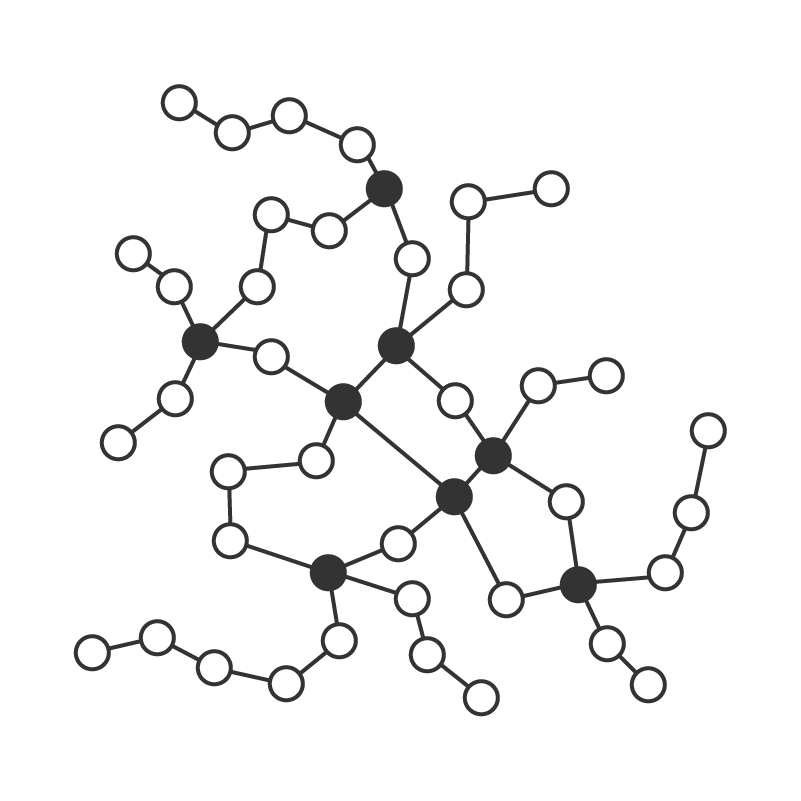
polymers that form permanent cross-links during the curing process. These have higher stress tolerance than thermoplastics and are immune to re-melting under high heat.
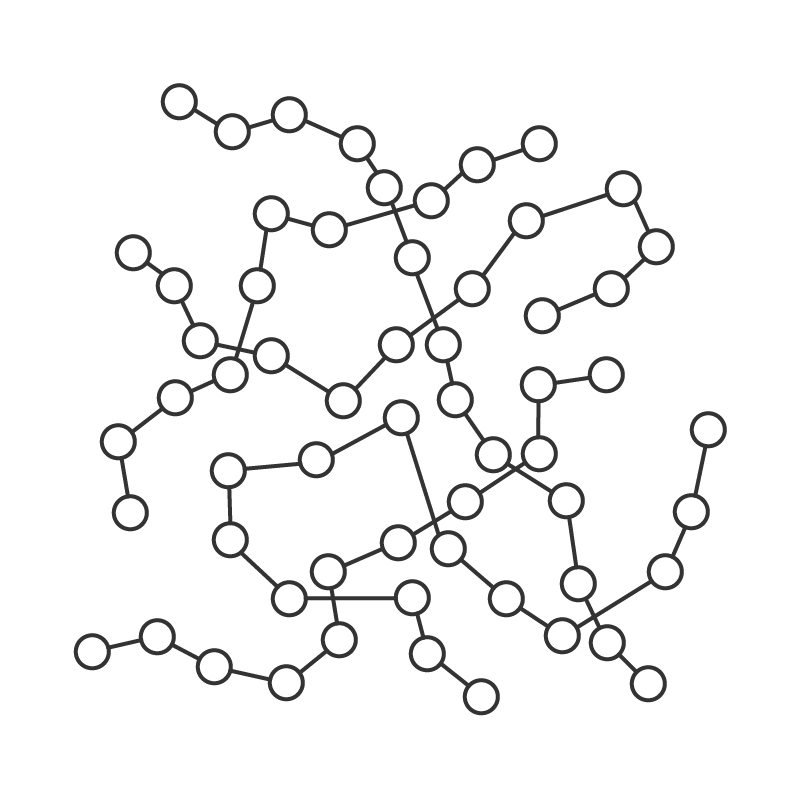
polymers that do not form permanent cross-links when curing or cooling. These can be remolded under the right conditions but have lower stress tolerance than thermosets.
Hopefully this gives you a fairly good start for understanding bioplastics and where they fit within the biomaterial landscape. For instance, with this new language we can say that our Biolaminate recipe is a protein-based bioplastic which relies on the biopolymer gelatin. We know that it is thermoplastic, meaning it could be remelted and reformed if necessary. The base recipe is readily biodegradable and home compostable, although not vegan since the gelatin used is sourced from fish. Below are links to further resources, including an entire Resources page full of helpful references. Reach out if you have any questions!